

Hello friends: I have exciting Substack news. From today, I’m going bi-weekly. This Tuesday post will remain, your usual takedown of the dark forces shaping fashion and culture and how to survive them. And then each Thursday - bonus episode - I’ll be sending you a recommendation of something, or somewhere, you can shop ‘cleanly’. It’s called Who Can You Trust? and it will platform all those brilliant creators and businesses building a new world of conscious, ethical consumerism. It will be free with your current subscription, and I hope you like it.
But for today, back to fashion in the age of the apocalyse…
You can feel it, can’t you - the algorithms taking over. Slowly creeping into not just our publishing feeds, where they shape our discussions and behaviour, but now what we create and manufacture. Algorithms are determining our production, our consumption, our thinking, lives and future in ways we barely understand, but can feel: the super intelligence is building.
Tasks that used to take a few hours or even a few days are now solved by Claude in a digital heartbeat. A spreadsheet of lenders for a business loan, a staff rota, how to plant an autumn garden - what an incredible tool it is becoming. Remind yourself to use it sparingly, less it renders you stupid.
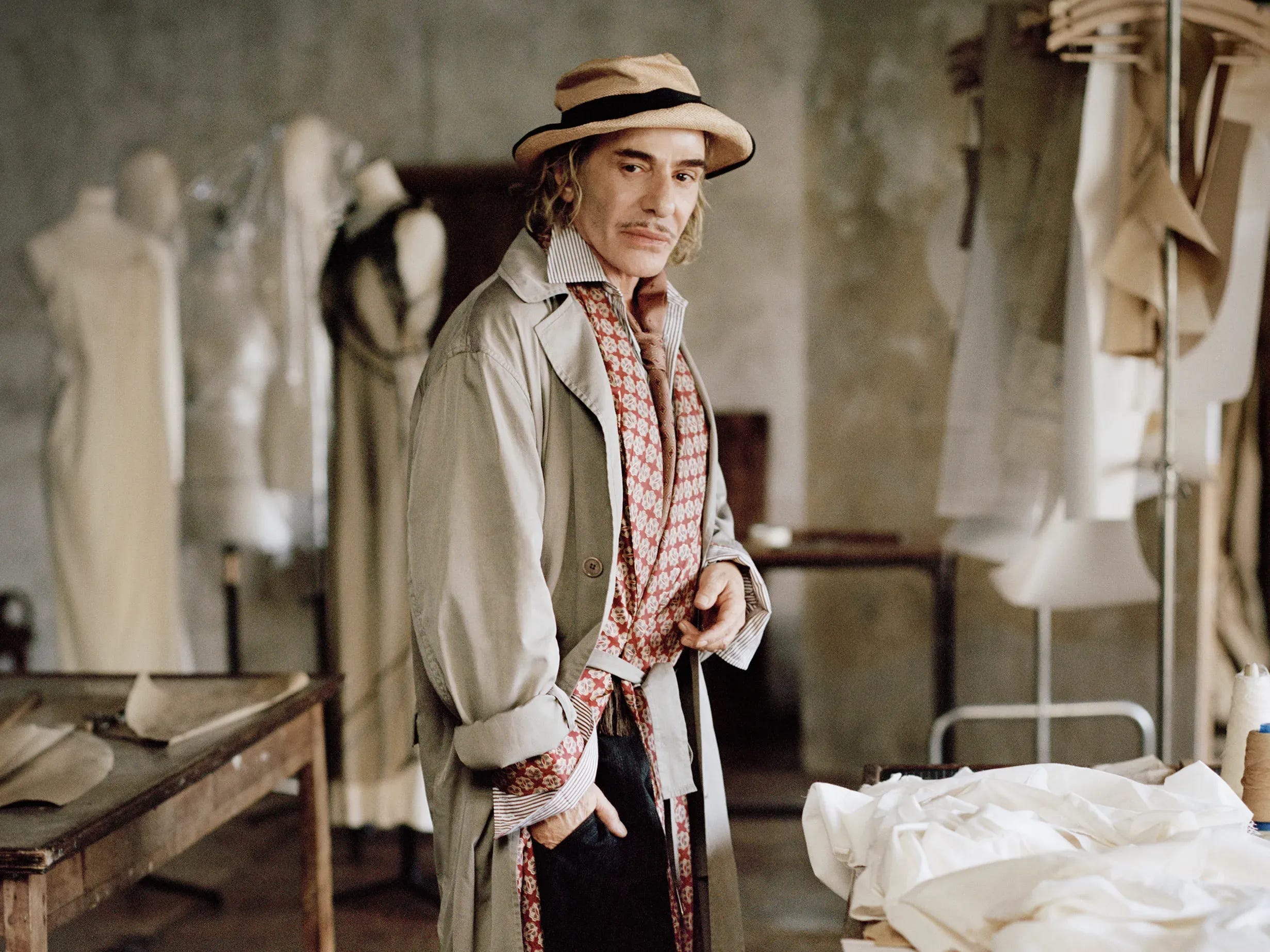
And AI-driven algorithms are now telling us what to wear. Marketing chiefs who once argued in boardrooms for expensive, creative brand campaigns - ones that do not garner the same short term performance metrics as a click-to-purchase ad on Meta - have seen the data enemy mutate. It is more powerful than ever, driving decision making at levels we could never have guessed. Try selling John Galliano’s homeless collection for Dior to the LVMH board now.
In a recent post for the New York Times, Amy Odell sounded a warning shot for the creeping takeover of fashion by AI. The way collections are merchandised, which basically means how you commercialise a creative idea, have subtly flipped. The navy crew necks that used to drive the sales around the catwalk collections, have become the creative itself. The Row shows us that. As Odell notes, you can’t look at a catwalk image these days and instantly know the brand it is representing: everything looks the same. And it’s happening at every level: in Shein’s wake comes the next monster, Edikted, which she reported:
monitors customers’ social media activity and internet searches, factors in Hailey Bieber’s latest outfits and spits out 300 styles a month made cheaply in China. After it reached $460 million in sales in 2025, one of its founders boasted to The Wall Street Journal, “We’re more like a data company than a fashion company.”
The takeover of independent brands by private equity and stock market-listed conglomerates means the commercials always win. Make more, sell more, pollute more. There’s little room for a creative risk, or a wintering of talent, or a pause for the consumer to catch up. Instead the next collection must drop instantly, to drive sales to pay for the over production of the previous collection. We are dizzied by seasons now: the sales and new collections sit side by side.
Creativity in fashion has reached a stalemate, as Torn, the new book from cultural commentator Eugene Rabkin also argues, as reported in last week’s post:

Mentioned below: John Galliano, Demis Hassabis, Yana Peel, Socks House Meeting, Gabriela Hearst, Ruby Warrington