
Hope is Here
Climate conventions can be gloomy places, but not last week's. Energy and optimism coursed through London, and left me feeling very optimistic about the future

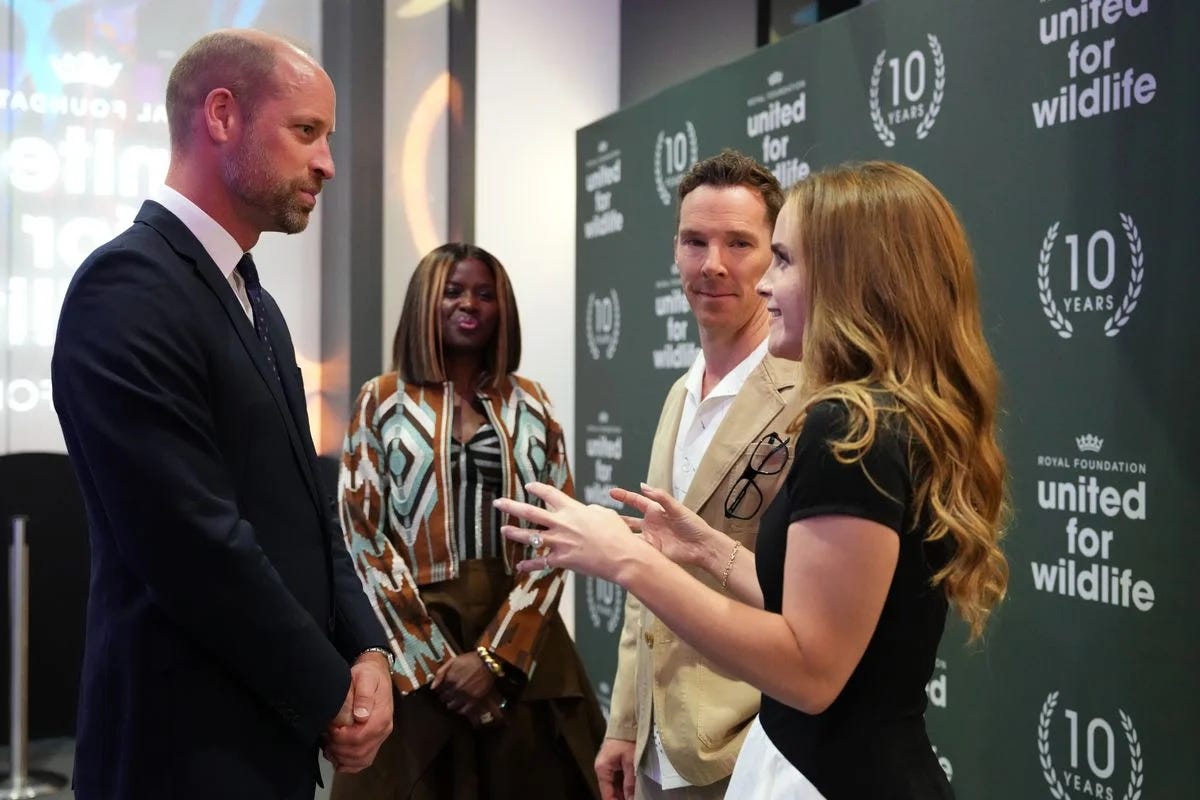
Last week was London Climate Action Week, (LCAW) and the big hitters were out for it. Emma Watson, Benedict Cumberbatch, Prince William were the starry names, but the ones that did it for me were the do-ers. The businesses, the activists, the singers, the storytellers: everyone was buzzing round town in 38 degree heat, with things to say, programmes to share, ideas to munch. It felt like stuff was happening - really happening - and there was an energy and optimism that I have not felt before.
Why? Well it could, ironically, be the geopolitics. When sh*t is this real, you just gotta get your shirt sleeves rolled up and get on with it. No point waiting around for the big boys to get things done, because - they are not going to do it. Fine - we’ll do it ourselves.
I’m not being naive. The trajectories are not good, but the mood has changed. We’ve stopped whingeing, we’ve stopped having conversations that just go round and round, we’ve started doing.
Did you read last week’s post? Hot from a LCAW workshop, it illustrates perfectly the challenges we are facing with AI.

Before we dig into it, let’s see where it is all going wrong. No surprises, the big culprit in the room is fashion - or what sustainability wonks like to term a ‘hard to abate sector”. Once again, big brands are showing a tone deaf approach to where they stand in the world. Witness the unfortunately-timed Louis Vuitton menswear show in Paris which, synchronously with a European heatwave and LCAW, staged a surf installation with a tonne of real water. The backlash was uncompromising:
“It’s insane to bring a fake sea in the middle of an ecological crisis during the summer, even crazier when you consider they did it just for one day, during France’s worst heatwave.”
“Water restrictions are only for the rest of France, I guess.”
“39°C in Paris. The city is burning … turning public space into a luxury spectacle of waterfalls feels completely disconnected from reality.”
(For more on this see the latest stack from Clare Press)
And then this from my mole on the inside of the British Fashion Council’s closed door roundtable. You may remember the BFC have copied Copenhagen Fashion Week’s (CPHFW) bar for entry, namely that all brands showing at London Fashion Week should meet a minimum of 60% preferred materials:
“We had the BFC at one end of the table and at the other end there were (in my view) direct complaints about lack of support (and a higher bar) for the (younger, smaller) brands doing the right things. And there was the unhelpful reminder that CPHFW is just a fashion week, not a council, and half the age of BFC and that minimum 60% “preferred materials” for entry into CPFW is not enough. I would say it was less solutions-oriented and more grievance offloading.
Personally it’s clear to me the problem with the entire ecosystem is the lack of focus on commercial viability since day zero of starting a brand. The obsession of this industry is to be cool, edgy and creative (at nature’s expense) and then when you’re big enough and finally doing well financially, it’s too late (and uncool almost) to care about your eco credentials. By that point, the gatekeepers only care about those with “clout” - the marketing dollars and “cool” factor (which is fuelled by the former).”
Here are a few more of my favourites: